SecureLoad

SOLUTIONS

Semi-Submersible Vessels and Floating Docks

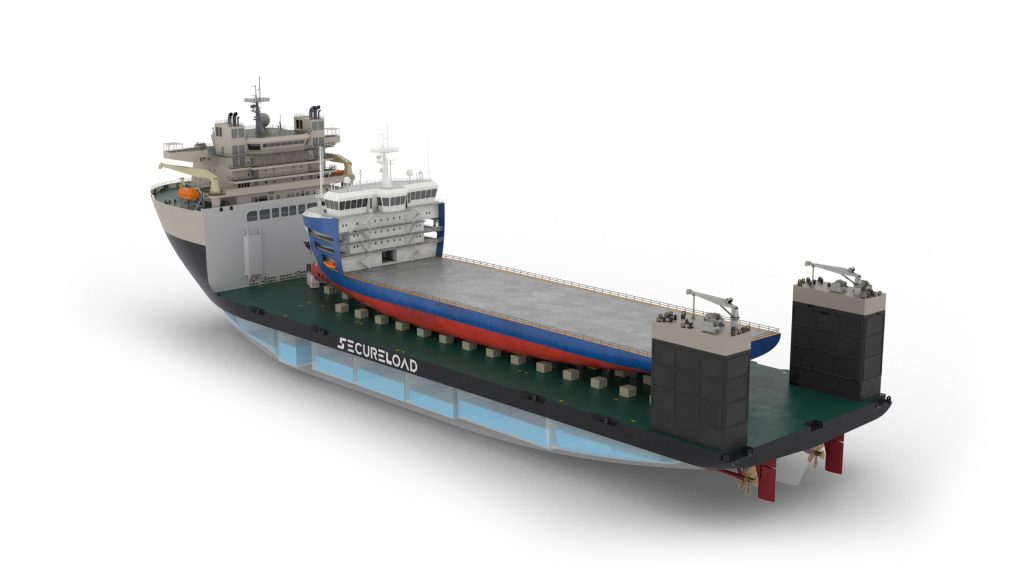
Semi-submersible vessels and floating docks are specialized assets designed for the transport and maintenance of massive floating structures. Their unique ability to submerge and re-float allows them to handle cargoes that cannot be lifted by cranes, making them indispensable for heavy marine logistics and repair.

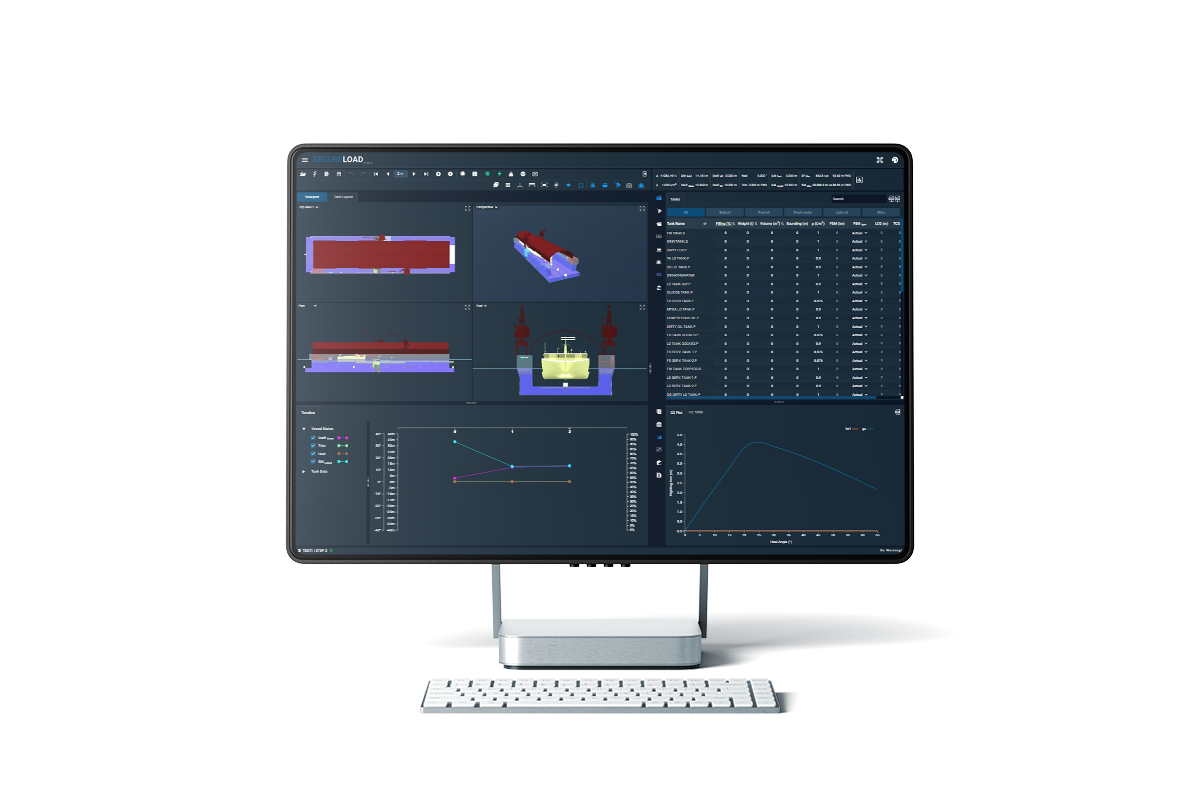
SecureLoad Systems provides a next-generation, web-based solution tailored to the unique challenges of operating semi-submersible vessels and floating docks.

UNDERSTANDING THE COMPLEXITY

Operational Challenges

Float-in/Float-off and Ro-Ro operations involve significant risks related to stability, structural integrity, and environmental factors.

Float-in/Float-off Operations

Float-in/Float-off operations face sharp stability transitions as decks pass through the waterline.
Stability Transitions
Sharp stability transitions occur as decks pass through the waterline, where water plane area and righting margins can rapidly change. Trim strategy is critical to manage these rapid changes.
Grounded Operations
When grounded operations are involved, hinge effects can generate concentrated loads. Additionally, clearance risks from protrusions and the need for precise alignment add to the complexity.

Ro-Ro Transfers

Ro-Ro transfers are constrained by tidal windows, pump capacity, and precise level maintenance.
Tidal & Pump Constraints
Operations must respect tidal windows and pump capacity limitations while keeping the deck level with the quay as heavy cargo shifts the center of gravity.
Structural Stress
Aggressive ballasting can induce significant bending moments, causing structural stress. Furthermore, ramp interfaces must respect local strength limits throughout the sequence.
SecureLoad addresses these challenges through specialized tools for simulation, ballast planning, and structural validation.
CAPABILITIES

Semi-Submersible & Floating Dock Features

Unified Ship-Shore Planning

One shared calculation engine runs in the office and onboard, so the plan modeled ashore is the plan executed at sea—without manual re-entry or version drift. This provides a single source of truth across Cloud and Onboard to eliminate translation and re-entry errors. It allows for real-time sync of Flo-Flo and Ro-Ro scenarios between shore teams and the vessel, ensuring shared visibility of stability, strength, and safety margins for all stakeholders.

Step-Based Operational Workflow

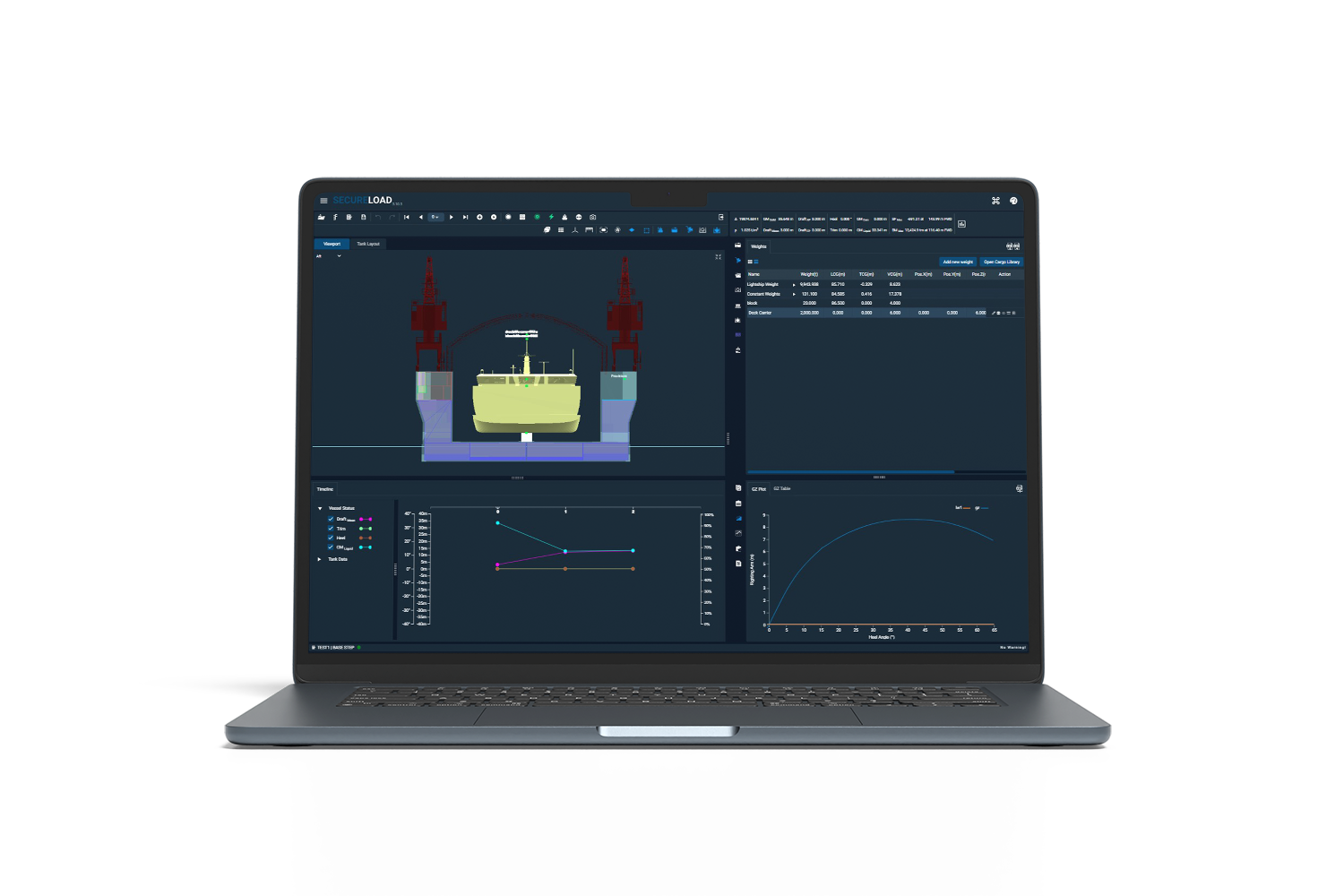
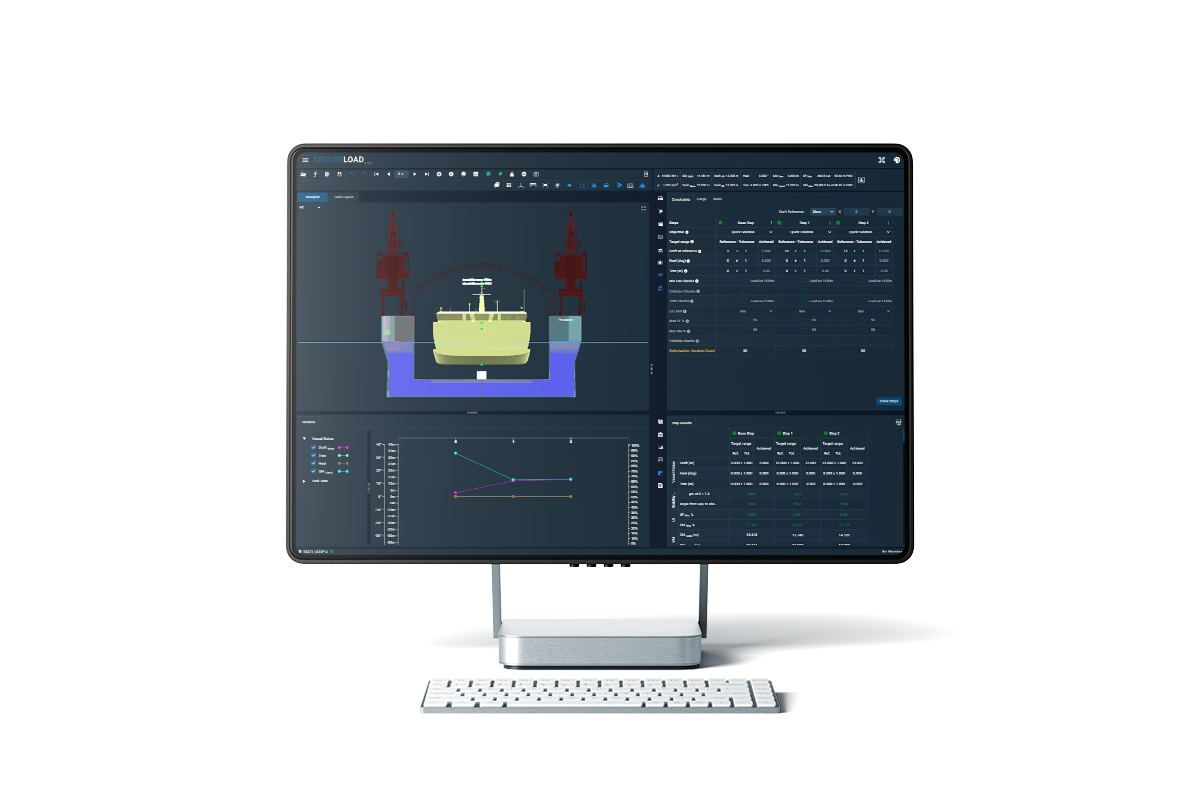
Model the entire sequence—submergence, ballast transfers, load-in/out—and validate each step before, during, and after execution. The system offers step-by-step sequencing for ballast moves, with continuous recalculation of stability, drafts, trim, and compliance at every step. It includes visualization of critical transitions, including the “through-the-waterline” phase, and pre-run checks that flag unsafe or non-compliant steps before operations begin.


Float-in/Float-off Simulation

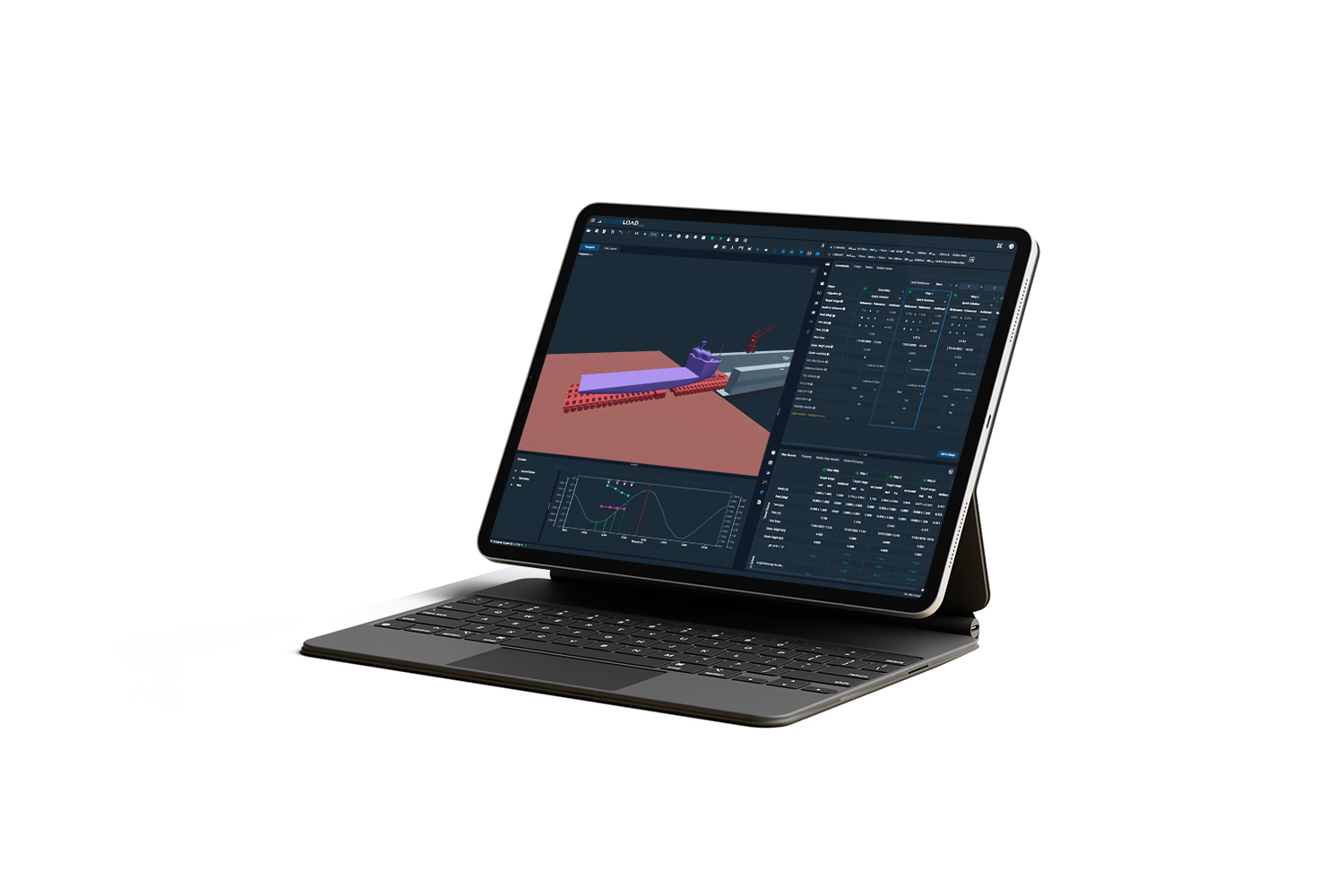
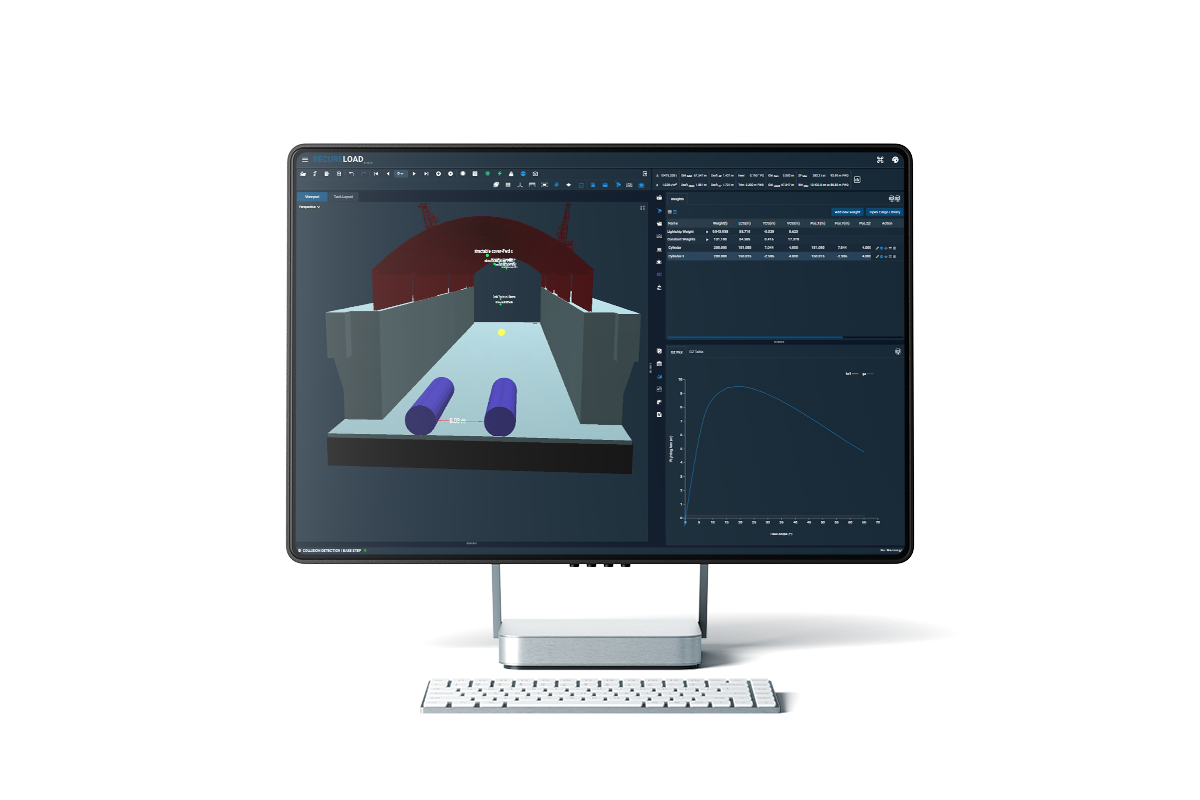
Purpose-built tools for semi-submersibles and floating docks simulate submergence and re-float with attention to stability transitions and contact risks. SecureLoad considers the buoyancy of the dock piece via its mesh geometry and user definitions, allowing it to calculate the touch-down draft and simulate the floating of the dock piece as in reality.

Load-in/Load-out and Tidal Control

SecureLoad revolutionizes the planning of complex transfers by transforming the process into a managed, step-by-step simulation. Users can model the entire sequence in discrete increments, such as specific SPMT frame positions, with the system instantly recalculating stability, trim, and strength for every step. A key feature is the automated ballast planning, which calculates the precise water adjustments needed to keep the deck level with the quay. This automation accounts for shifting cargo weights, tidal variations based on integrated tidal data, pump capacity limits, and critical GM checks.

Advanced Ballast Distribution Module

System features a powerful Ballast Optimization engine. Users can define precise targets for Draft, Trim, and Heel along with acceptable tolerances. The solver iterates to find an optimal ballast configuration that achieves these floating targets while simultaneously verifying a comprehensive set of constraints. These include Stability & Safety checks against Minimum GM, intact stability criteria, and visibility regulations; Structural Integrity verification to ensure Shear Force (SF) and Bending Moment (BM) remain within user-defined percentages of permissible limits for both Sea and Harbour conditions; and Operational Constraints such as specific trim checks and speed settings.

Ballast Optimization and Hoppe Integration

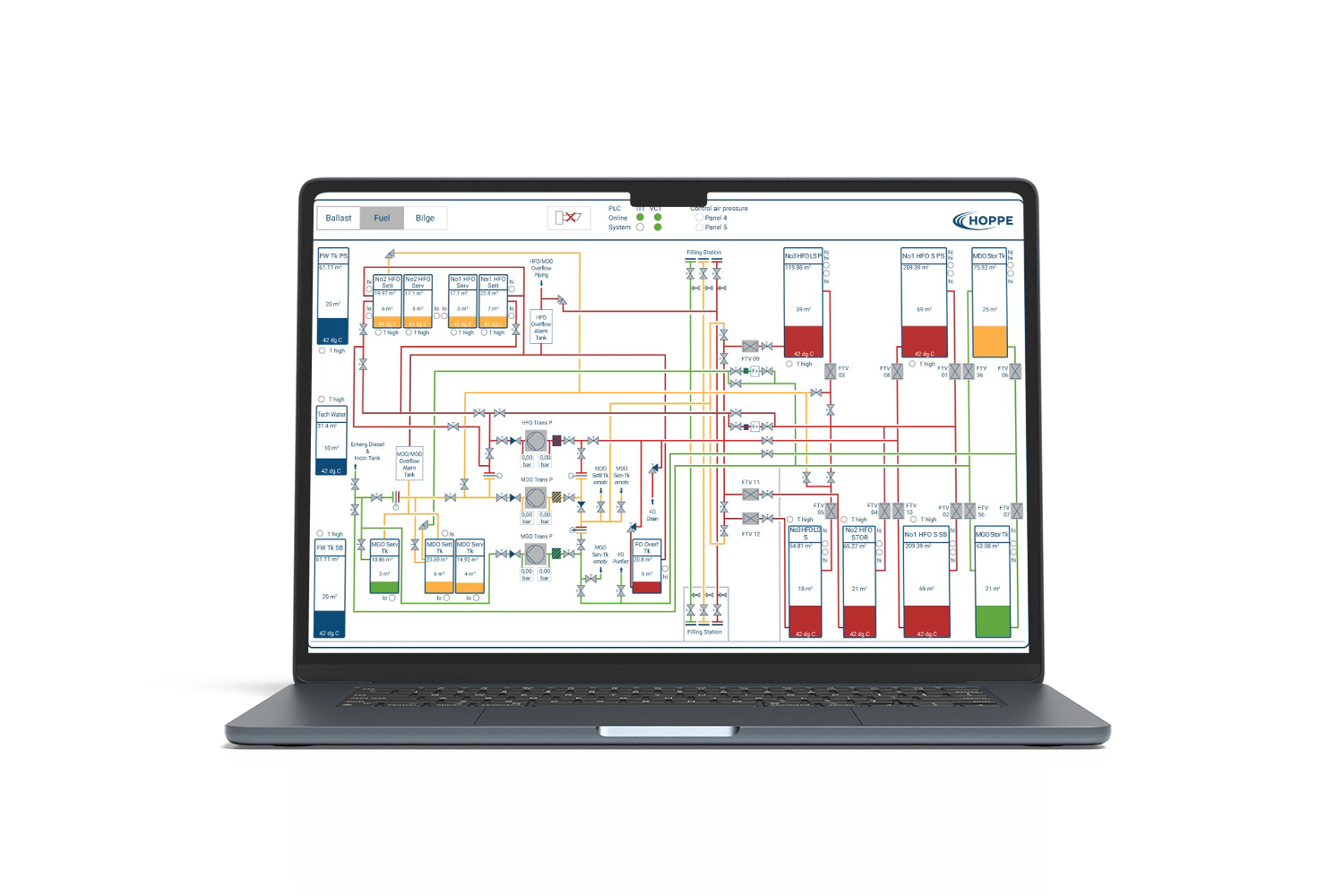
Optimize tank fills to hit target drafts and trim, and integrate with Hoppe Marine for automated sequence execution. This allows for direct integration with Hoppe Marine ballast control for automated execution of planned sequences, providing feedback on achievable rates and constraints tied to actual pump capacity. It ensures a clear sequence handover from planning to onboard execution.

Longitudinal Strength Monitoring

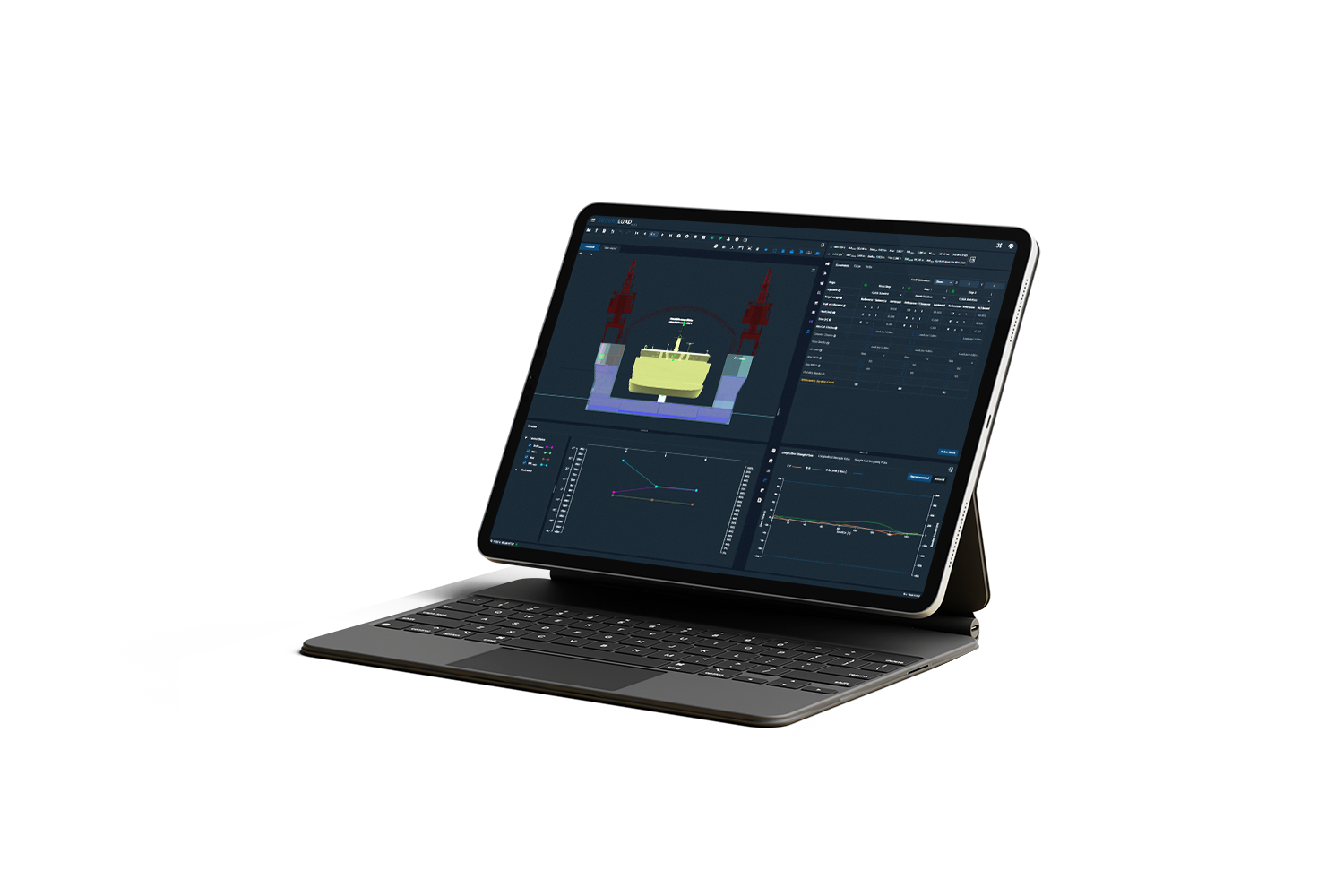
Manage global hull responses as ballast shifts and cargo moves, keeping operations within allowable envelopes. The solution offers real-time calculation of shear forces and bending moments across the sequence, performing limit checks against vessel strength envelopes during aggressive ballasting or CG shifts. This provides visibility of strength impacts before commands are executed.

Collision Detection

High-fidelity geometry supports accurate contact, clearance, and attitude evaluation throughout the plan. By using mesh-based vessel and cargo models, the system enables precise clearance and contact checks. It provides automatic collission detection for easy detection of potential contact from protrusions and validation of blocking arrangements.
MODULES

Relevant Modules

Basic
basic.svg

Defines loading conditions and performs calculation of intact stability and longitudinal strength. Results are evaluated against applicable regulatory criteria and presented with full transparency through curves, limits, and numerical outputs, supported by comprehensive reports suitable for operational use and compliance review.

Ballast Distribution
ballast_distribution.svg

Determines optimal ballast tank filling levels to achieve the desired loading condition. The module uses an iterative optimisation approach while respecting operational constraints such as tank usage restrictions and filling limitations, ensuring solutions remain practical and executable onboard.

Float-In / Float-Off
float_on.svg

The Float-In / Float-Off module performs calculation and simulation of float-in and float-off operations for floating docks, and semi-submersible vessels. It automatically calculates draft, required ballast, pump capacities, stability, and strength across all operational stages, supporting complex submersion and refloating sequences.

Online
online.svg

Enables real-time integration of tank level data into the loading computer. The module connects to onboard tank sensor systems using standard MODBUS communication, allowing live updating of the vessel’s loading condition during operations.

Load-In / Load-Out
load-in-load-out.svg

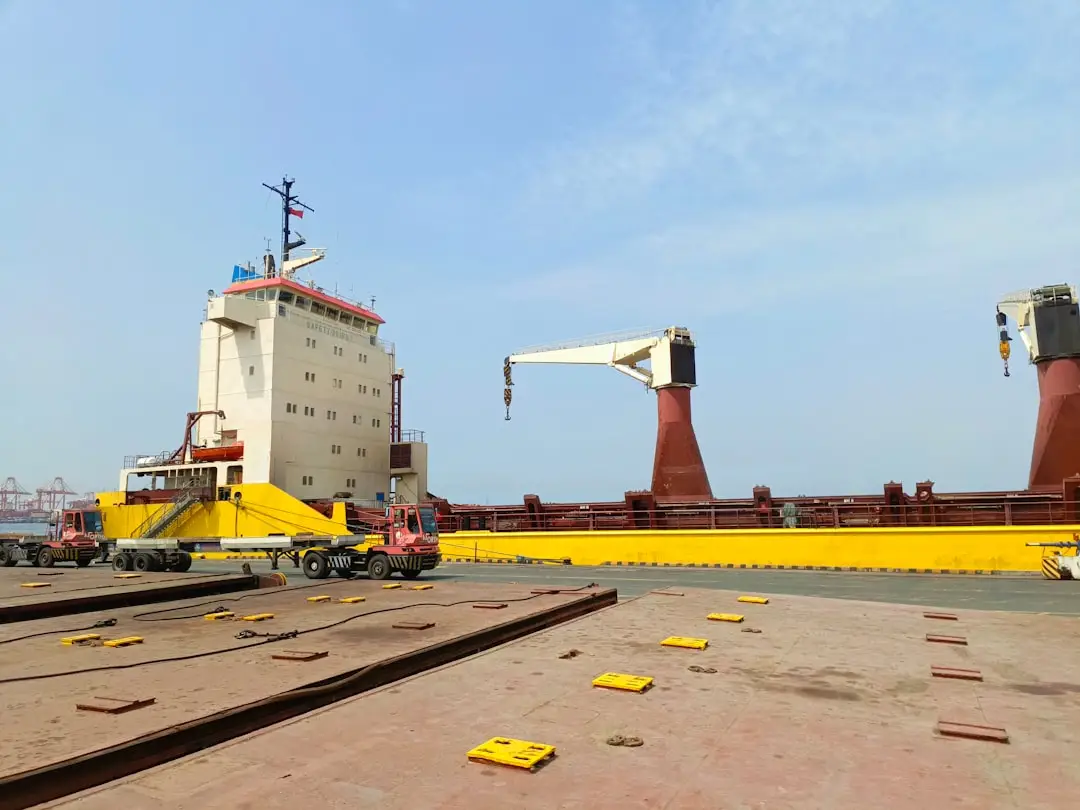
The Load-In / Load-Out module supports continuous loading and discharge operations. Calculations account for varying tide conditions, moving cargo, ballast transfer, and vessel pump capacity. The module also evaluates stall conditions, including tide-compensation scenarios when SPMTs are stalled on the ramp. Stability and longitudinal strength are verified throughout the operation, and detailed ballast sheets and operational reports can be generated.

Want to be part of our vision and journey?

Connect with us to explore how SecureLoad can modernize your cargo operations.

Get in touch - Submit a form

Contact Us