SecureLoad

SOLUTIONS

Deck Carriers and Heavy Load Barges

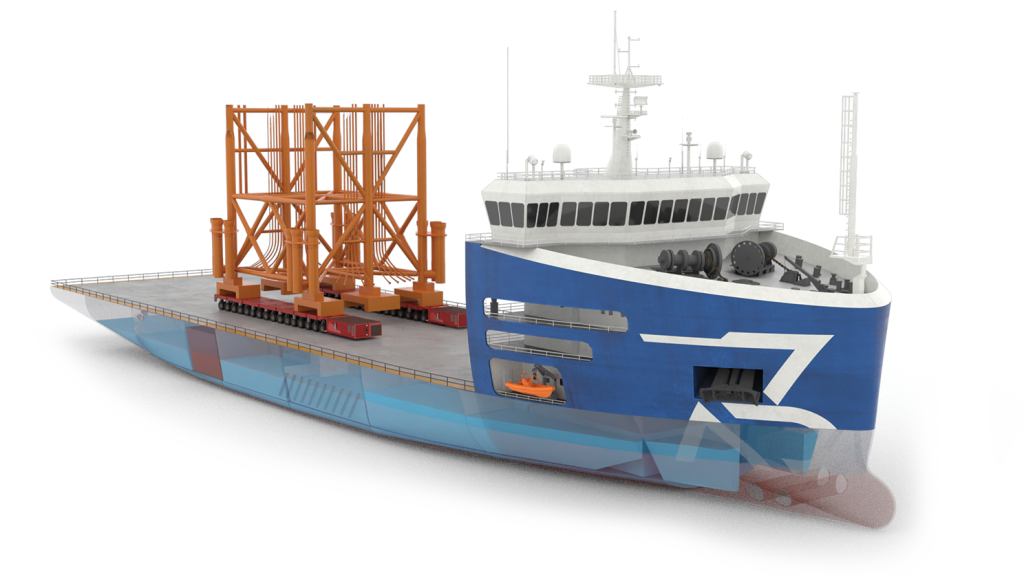
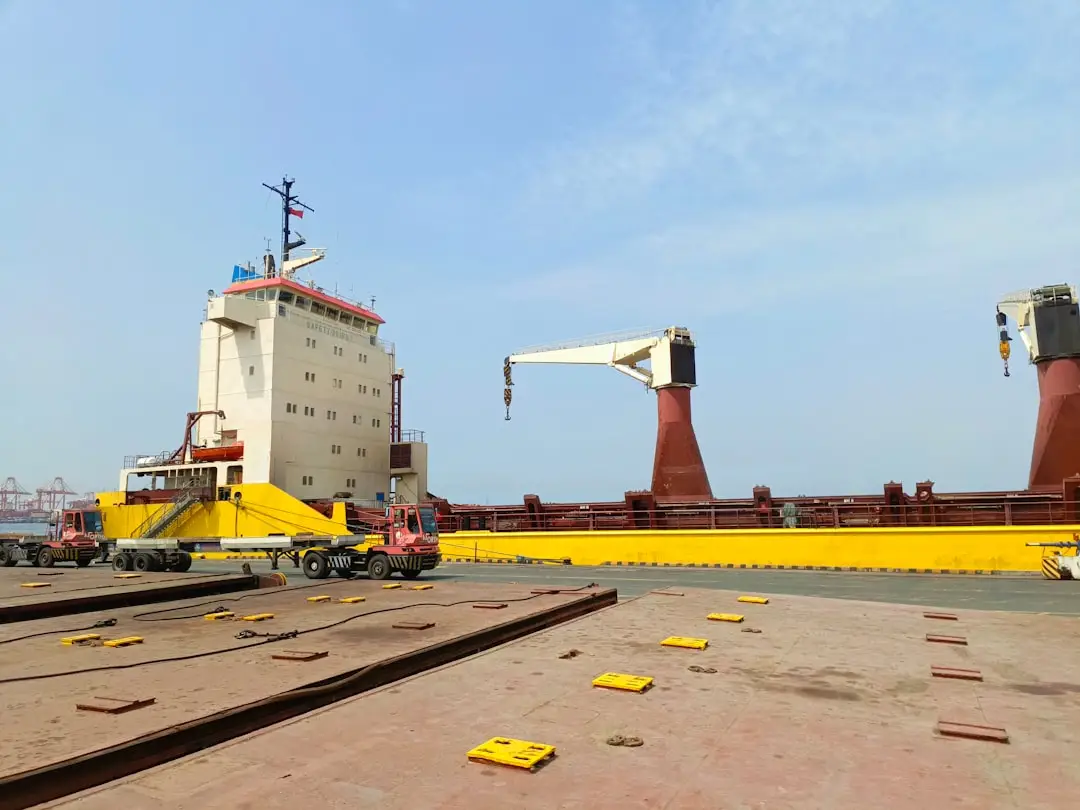
Deck carriers and heavy load barges are the workhorses of the project cargo world, designed to transport outsized, heavy, and complex cargoes that conventional vessels cannot handle. From offshore modules and wind farm components to bridge sections and entire industrial plants, these vessels require specialized planning and execution tools.

SecureLoad Systems provides a comprehensive, web-based solution tailored to the unique challenges of operating deck carriers and heavy load barges.

UNDERSTANDING THE COMPLEXITY

Operational Challenges

Operating deck carriers involves navigating a complex interplay of stability, structural limits, and environmental constraints.

Complex Load-out / Load-in Operations (Ro-Ro & Skidding)

The transfer of cargo between shore and ship, whether via Roll-On/Roll-Off (Ro-Ro) or skidding methods, represents the most critical phase of heavy lift operations
Dynamic Weight Transfer
As the cargo shifts position along the deck, the weight distribution changes gradually but significantly, directly impacting the vessel’s draft and trim. Precise simulation of this weight transfer at every stage is essential to maintain vertical alignment with the quay side.
Tidal Constraints
Operations are strictly classified by their dependency on tidal conditions. Category 1 (Class 1) operations are tide-dependent and must be executed within a specific window. Category 2 (Class 2) operations utilize continuous high-capacity pumping to fully compensate for tidal variations, allowing the operation to proceed through a full tidal cycle.
Ramp & Connection Loads
The physical interface between the quay and vessel—the ramps and link beams—must endure extreme loads, as any vertical misalignment can lead to catastrophic equipment failure or structural damage.
Stalled Conditions
Contingency planning for stalled conditions is non-negotiable; if an SPMT stalls or the operation halts mid-transfer, the vessel must have a calculated ‘stalled condition’ ballast plan to remain safe indefinitely while the issue is resolved.

Stability and Motion Characteristics

The unique design of deck carriers introduces specific stability challenges.

High Stability (Stiff Vessel)
These vessels typically exhibit a very large metacentric height (GM), resulting in a ‘stiff’ vessel behavior characterized by rapid, snappy rolling motions. These high accelerations can pose a significant risk of damage to sensitive cargo and sea fastenings during ocean transit.
Windage Area
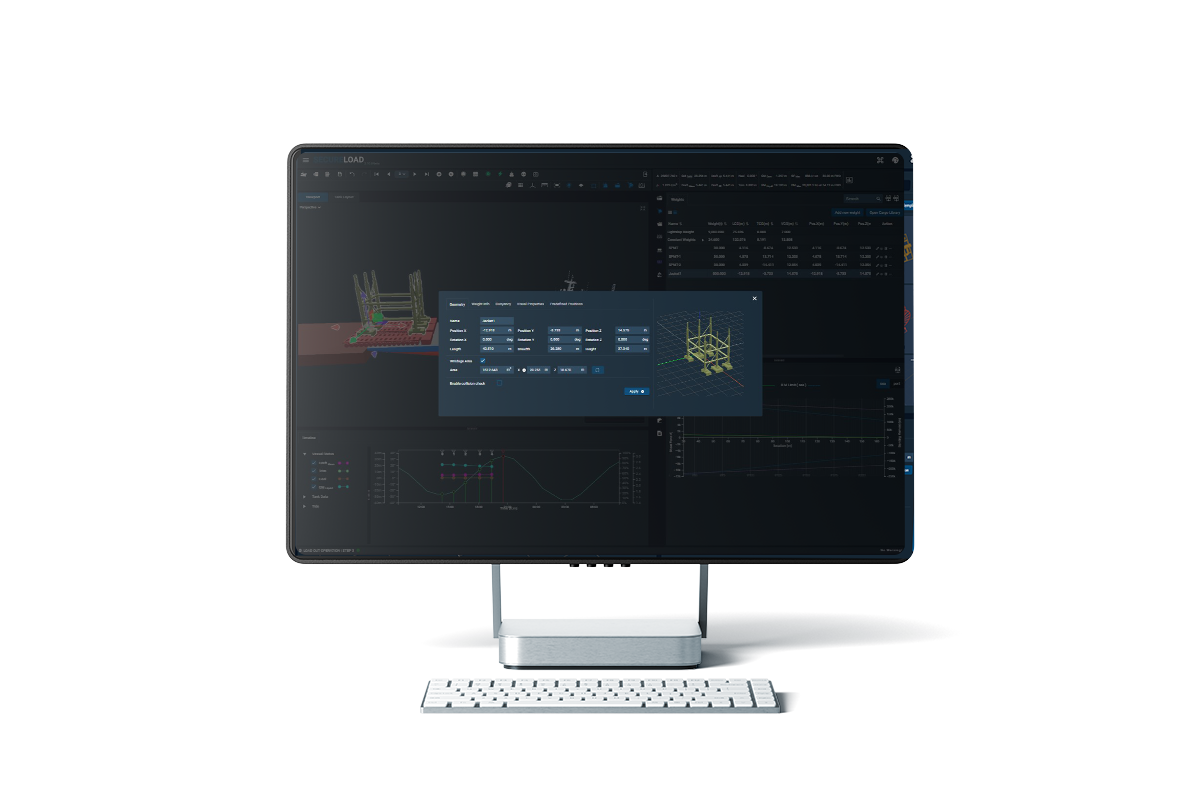
Large, voluminous items such as jackets, topsides, or wind turbine components create massive windage areas. This significantly influences stability criteria and necessitates precise, project-specific calculations of wind overturning moments to ensure the vessel remains within safe limits.

Structural Integrity

Operating heavy load barges requires constant vigilance regarding structural limits.
Deck Strength
Massive point loads from transport cradles or SPMT axles can easily exceed local deck strength limits, requiring careful verification of the deck’s capacity.
Longitudinal Strength
The aggressive ballasting required to compensate for concentrated cargo weight during load-outs can induce severe sagging or hogging moments, potentially risking the integrity of the hull girder itself.
Our software addresses these challenges through specialized tools for simulation, ballast planning, and structural validation.
CAPABILITIES

Deck Carrier & Barge Features

Load-in / Load-out Module

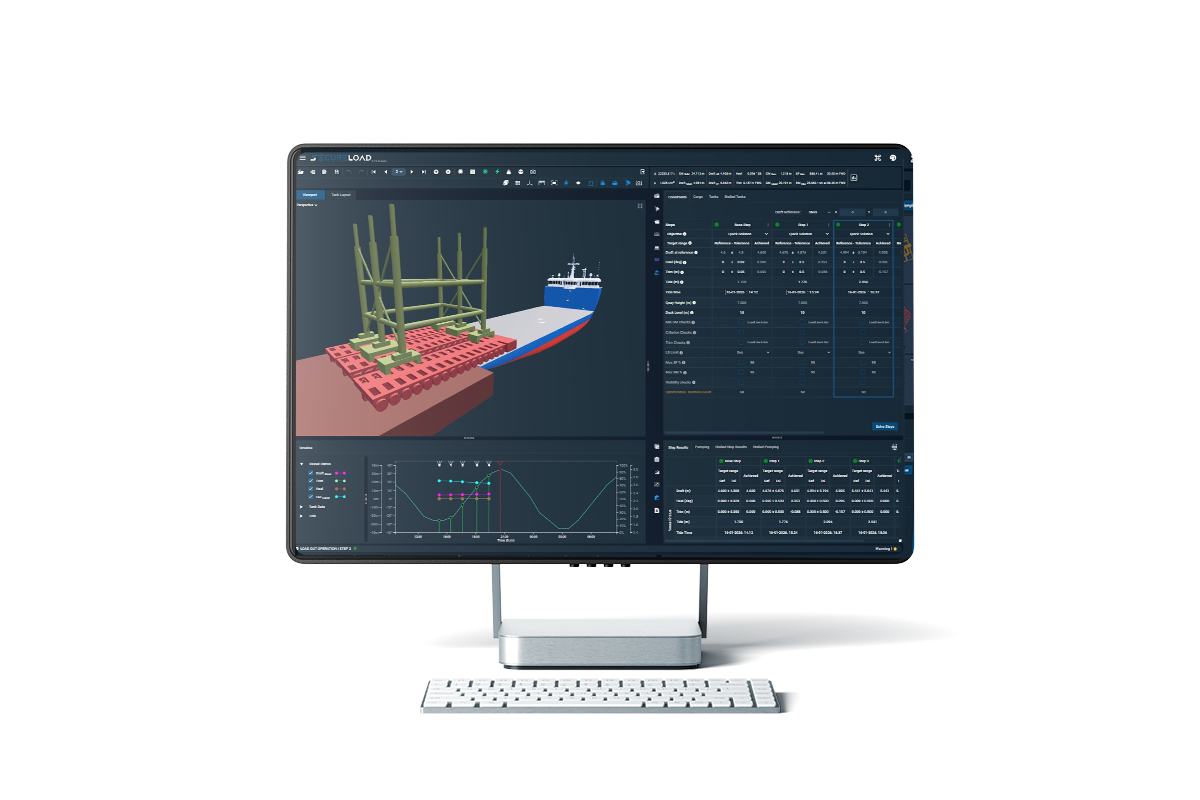
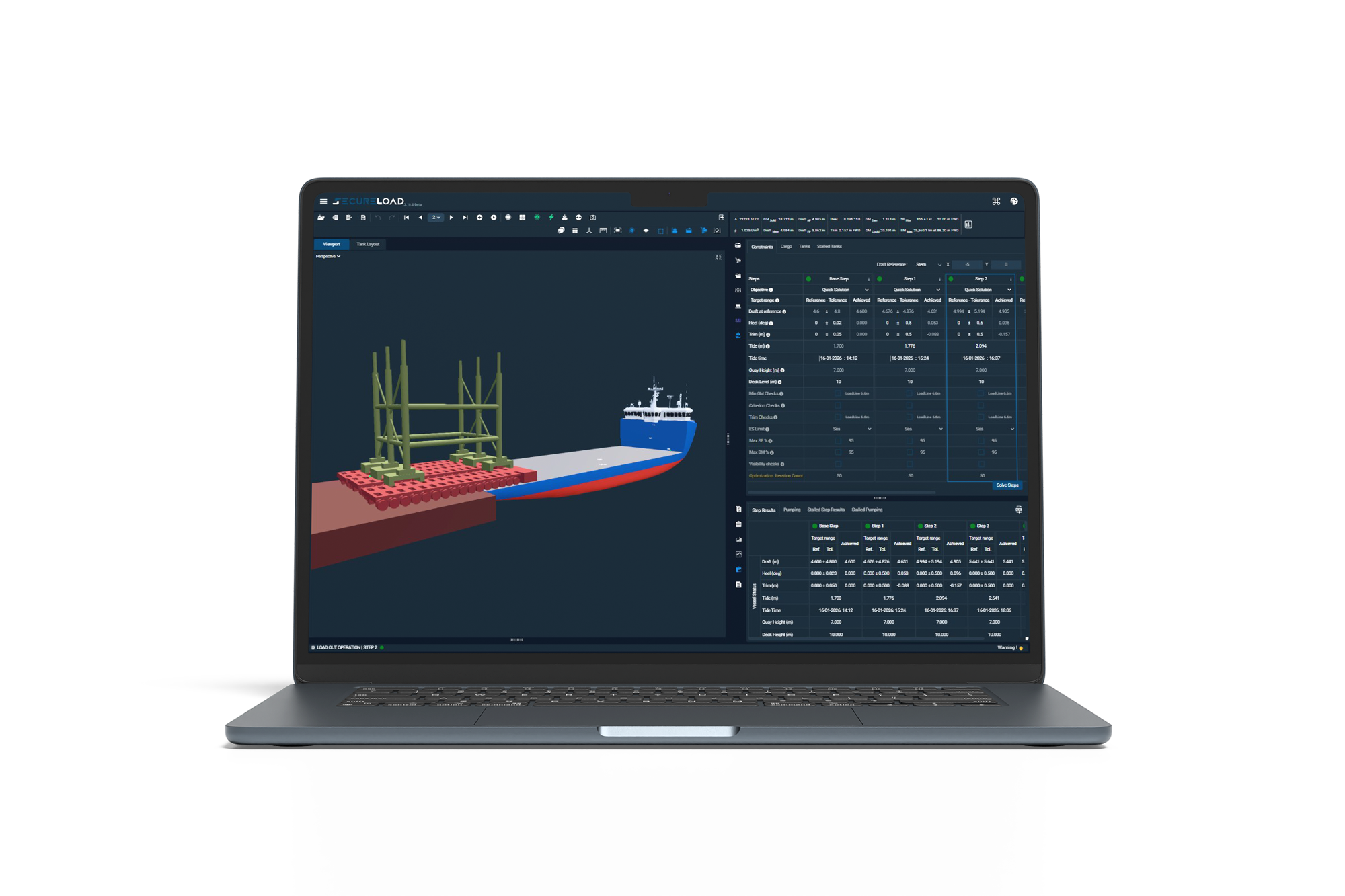
SecureLoad revolutionizes the planning of complex transfers by transforming the process into a managed, step-by-step simulation. Users can model the entire sequence in discrete increments, such as specific SPMT frame positions, with the system instantly recalculating stability, trim, and strength for every step. A key feature is the automated ballast planning, which calculates the precise water adjustments needed to keep the deck level with the quay. This automation accounts for shifting cargo weights, tidal variations, pump capacity limits, and critical GM checks.


Real-Life Cargo Library & 3D Visualization

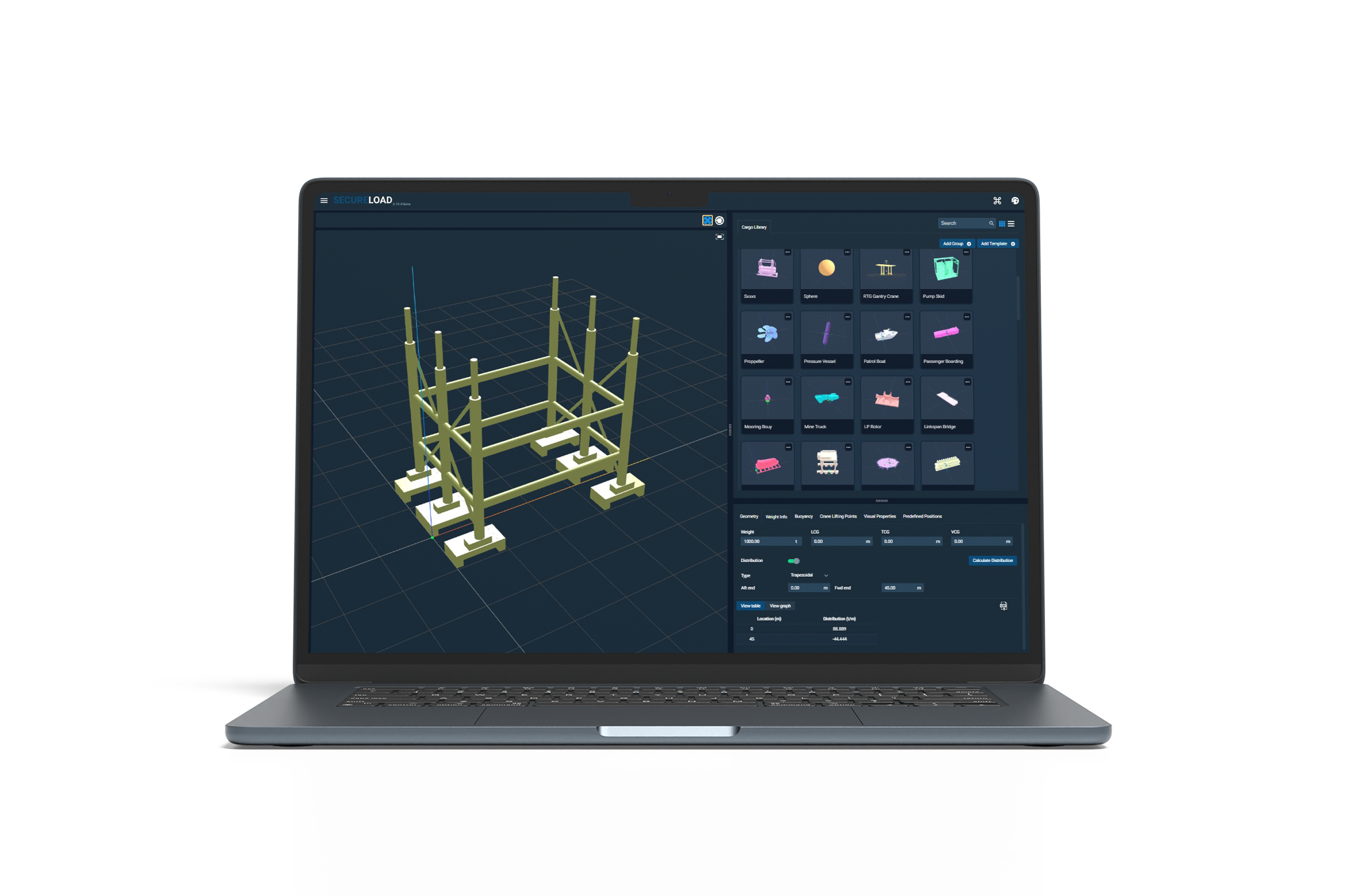
SecureLoad brings 3D technology directly to web browsers, transforming the way vessel loading is conducted. Through interactive 3D functionality, users can effortlessly reposition cargo within a dynamic environment, ensuring meticulous control over load configurations. The system includes a comprehensive cargo library and supports importing custom 3D meshes (OBJ/STL) for unique project cargoes. By automatically calculating essential properties like volumes and centroids from mesh data, the system facilitates highly accurate loading simulations and clear visual representation.

Structural Assurance

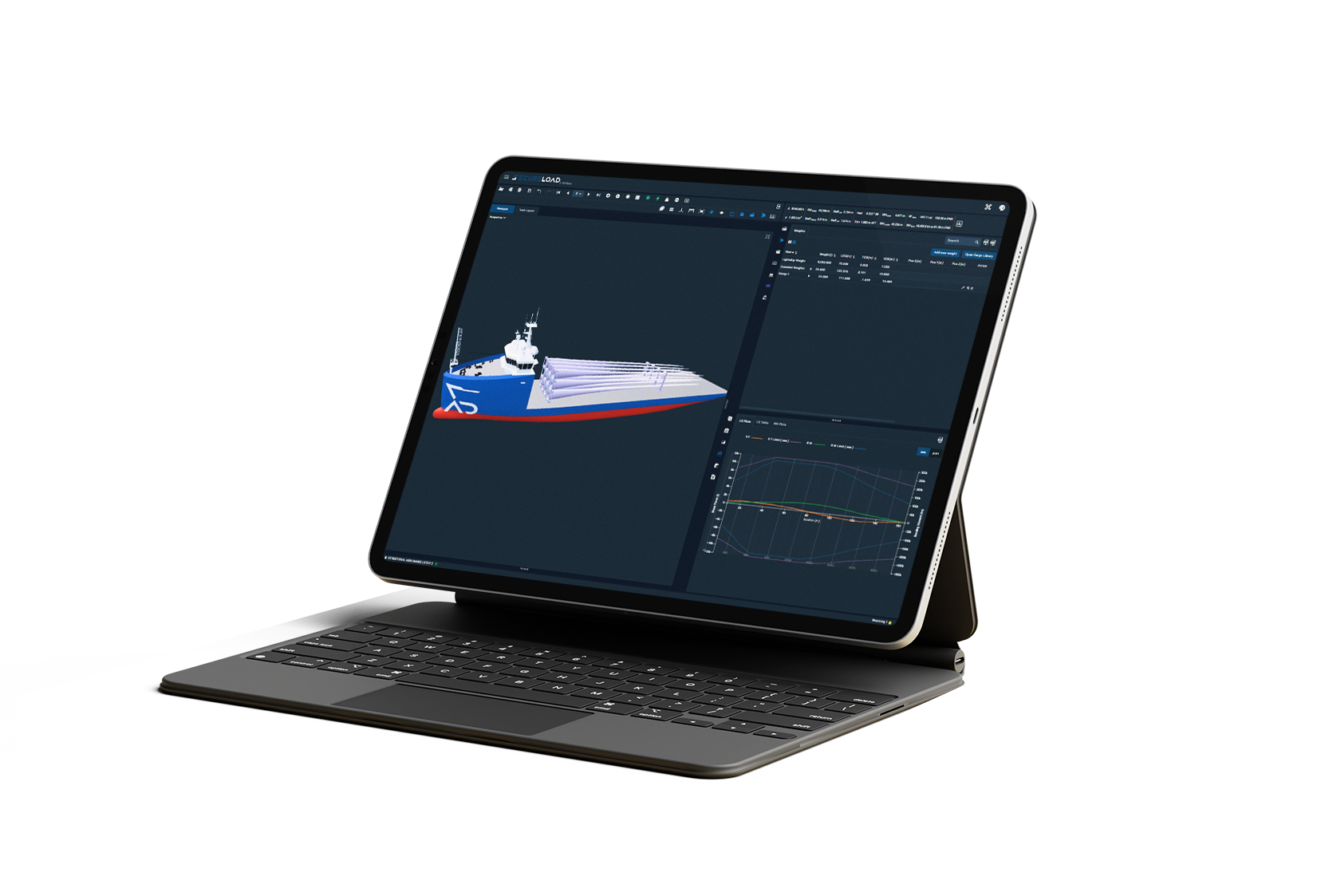
To ensure the vessel’s safety, SecureLoad provides real-time monitoring of longitudinal strength, checking Shear Force and Bending Moment against class limits throughout all loading and transport phases. Future updates will also include deck load verification, integrating structural twins to verify local deck strength against specific cargo footprints, providing a complete picture of structural health.

Unified Ship-Shore Collaboration

SecureLoad bridges the gap between onshore planning and offshore execution by establishing a single source of truth. The shore-based engineering team utilizes the exact same calculation engine as the onboard crew, allowing load-out plans developed in the office to be synced directly to the vessel for execution. This connectivity also enables remote oversight, permitting superintendents and port captains to monitor the vessel’s condition and operation progress in real-time.

Precise Windage Area Calculations

For high-profile voyages, the system includes advanced wind modeling. This allows for the assessment of stability under severe weather conditions, utilizing detailed wind profiles to ensure the safety of the vessel and its cargo even in challenging environments.

Advanced Ballast Distribution Module

Featuring a powerful Ballast Optimization engine, users can define precise targets for Draft, Trim, and Heel along with acceptable tolerances. The solver iterates to find an optimal ballast configuration that achieves these targets while verifying constraints including stability, safety (Minimum GM), and structural integrity (SF/BM) for both Sea and Harbour conditions.

Automated Ballast Operation

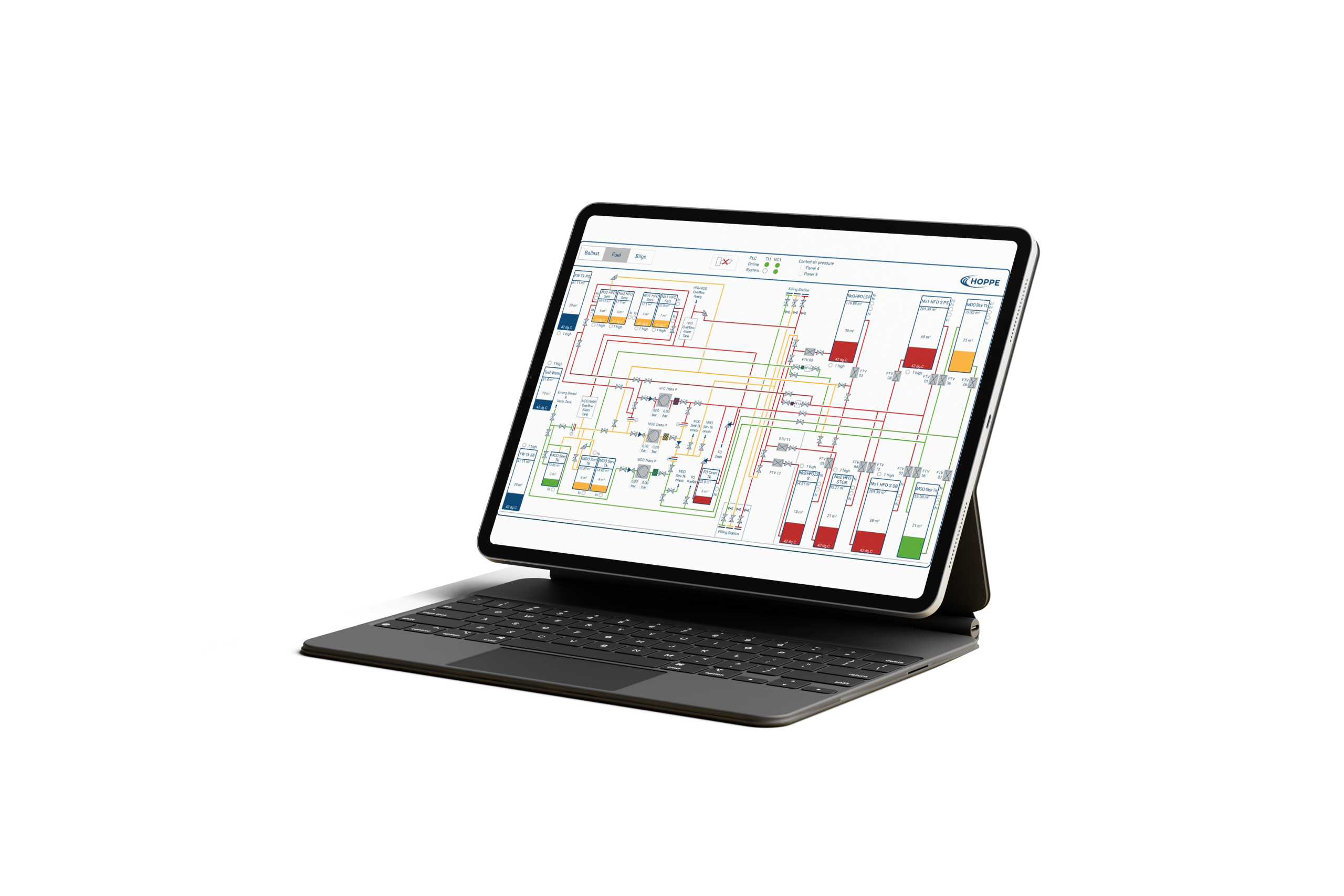
SecureLoad integrates with Hoppe Marine’s advanced ballast control systems for fully automated, precision ballasting. The system actively maintains the required floating condition controlling draft, trim, and heel by communicating directly with hardware. This operates under a ‘supervised autonomy’ philosophy, where the system handles complex balancing while crew members retain high-level supervision.
MODULES

Relevant Modules

Basic
basic.svg

Defines loading conditions and performs calculation of intact stability and longitudinal strength. Results are evaluated against applicable regulatory criteria and presented with full transparency through curves, limits, and numerical outputs, supported by comprehensive reports suitable for operational use and compliance review.

Ballast Distribution
ballast_distribution.svg

Determines optimal ballast tank filling levels to achieve the desired loading condition. The module uses an iterative optimisation approach while respecting operational constraints such as tank usage restrictions and filling limitations, ensuring solutions remain practical and executable onboard.

Online
online.svg

Enables real-time integration of tank level data into the loading computer. The module connects to onboard tank sensor systems using standard MODBUS communication, allowing live updating of the vessel’s loading condition during operations.

Load-In / Load-Out
load-in-load-out.svg

The Load-In / Load-Out module supports continuous loading and discharge operations. Calculations account for varying tide conditions, moving cargo, ballast transfer, and vessel pump capacity. The module also evaluates stall conditions, including tide-compensation scenarios when SPMTs are stalled on the ramp. Stability and longitudinal strength are verified throughout the operation, and detailed ballast sheets and operational reports can be generated.

Hoppe Ballast Control
ballast_control.svg

Interfaces directly with ballast automation systems to execute ballast operations. Powered by Hoppe Marine GmbH, this module enables controlled and automated ballast water transfer based on the computed loading plan, linking calculation directly with execution.

Want to be part of our vision and journey?

Connect with us to explore how SecureLoad can modernize your cargo operations.

Get in touch - Submit a form

Contact Us